
Blog
Is Your Sumter Garage Door Worth Fixing, or Time for New?
Most Sumter homes date from 1974-1999, so a lot of doors are running original 1980s hardware. Here's how we decide what's worth repairing and what isn't.
What It Costs
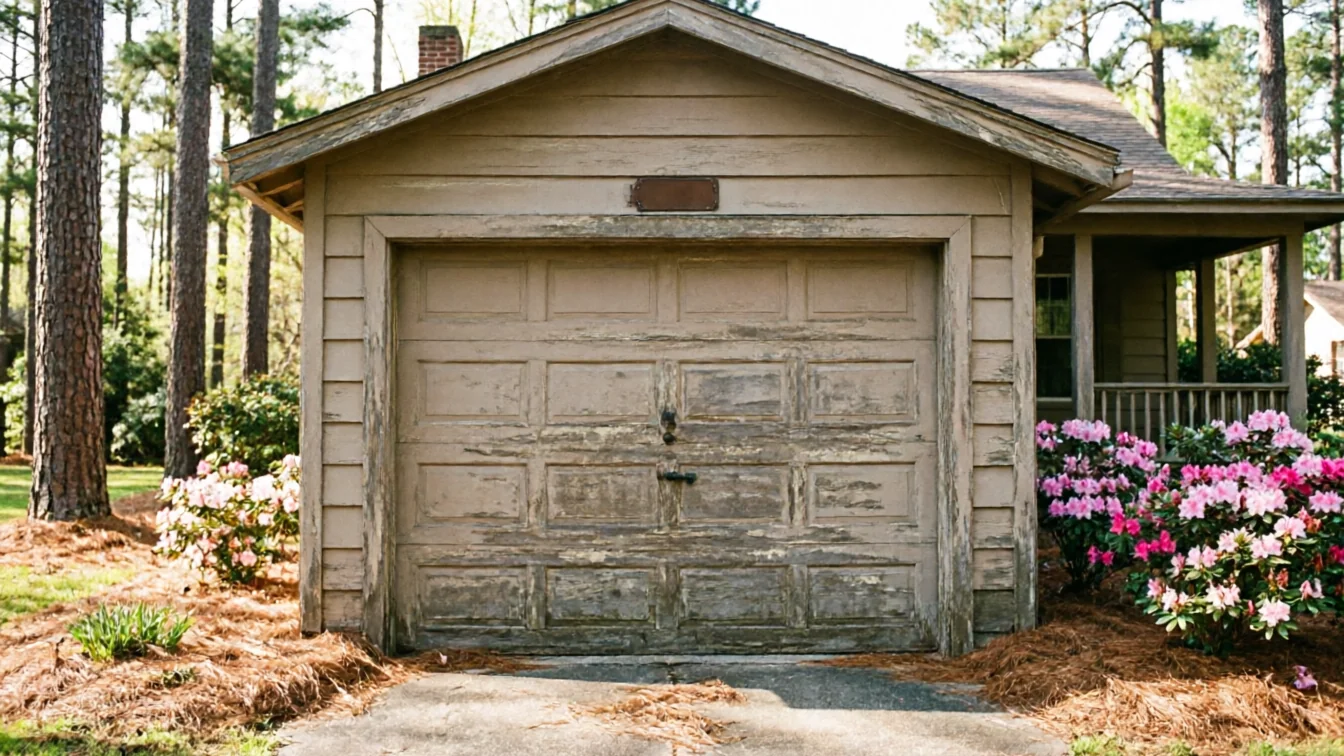
We don't quote a number until we've looked at the door, because the right answer depends on what's actually on the track. A lot of the houses we get called to went up between 1974 and 1999, with the typical build year sitting around 1984, and that means a lot of original torsion hardware, steel panels that have never been swapped, and openers that predate anything with a smartphone app. On a door that age, a single broken spring or a bent track section is usually worth fixing - the door itself, the track, and the bracket hardware are often still sound. What's usually not worth fixing is a 1980s-era opener with a dead circuit board; parts for those are getting hard to source, and by the time we track one down, a new opener often costs about the same and comes with a warranty. We'll tell you straight when a repair is throwing money at a door that's near the end of its run, and we'll tell you just as straight when it isn't. We don't carry every obsolete opener board on the truck, so some of those jobs take an extra visit once the part's in.
Season by Season
Sumter sits in a mild climate band with occasional freezes, not the hard freeze-thaw swings that crack springs and warp panels further north. That matters for how a door ages here. You're not fighting ice buildup on the track most winters, but you do get stretches of damp heat that swell wood trim doors and work grease out of rollers faster than a drier climate would. On the handful of nights a year that dip below freezing, a torsion spring that's already fatigued from decades of cycles is more likely to let go - cold metal is just less forgiving. Summer humidity is harder on weatherstripping and on any door that's started to sag at the bottom corner, since moisture gets into the gap and doesn't dry out as fast as it would in a drier region. None of this means constant failure. It means a door built in the 1980s or 90s that's never had the springs or rollers touched is carrying more wear than its age alone would suggest, and the seasonal swing here is enough to turn a minor issue into a stuck door at the worst time.
The Problem
The housing stock across this area - Sumter proper and the 13 named communities we cover - is mostly 1980s and 90s construction. That's not old enough that owners think of their garage door as original equipment the way they might with a 1960s house, but it's old enough that the springs, cables, and rollers have usually never been replaced. A torsion spring is rated for a number of open-close cycles, not a number of years, and a door that's been used daily since the house was built has likely worn through at least one spring's expected life already, whether or not it's shown symptoms yet. The problem we see most is an owner who assumes the door is fine because it still opens, when the real issue is a spring close to its limit, a cable starting to fray at the drum, or rollers that have gone from steel-and-nylon smooth to grinding metal-on-metal. None of that shows up until the day it fails, usually with the door stuck halfway and a car trapped behind it.
How Local Conditions Play In
Put the housing age and the climate together and you get a fairly specific picture. Across the 10,145 households in our service area, including the 4,749 owner-occupied houses, a big share of garage doors are running hardware that's 25 to 45 years old, installed under a mild-climate code that never called for the heavier wind-load bracing some regions require. That's fine for the weather here - Sumter doesn't see the freeze-thaw cycling that beats up springs in colder states - but it does mean the wear on these doors comes mostly from age and use, not storm damage, so it's often invisible until something snaps. We cover a wide radius, from Cherryvale and Cane Savannah four miles out to Manning twenty miles south, and the pattern holds across all of it: 1980s-90s stock, steady use, and springs nobody's thought about since the house was built. At a median household income of $42,708 in this area, most owners we talk to want a straight answer on repair versus replace before they commit, not an upsell.
Questions
Common questions
My garage door is original to the house. Is it too old to repair?
Not necessarily. If the door panels and track are straight, a door from the 1980s or 90s can usually take a new spring, cable, or roller set and run another decade. Where it stops making sense is the opener - if the circuit board is dead and parts aren't available, replacement is often the more practical call.
Does Sumter's climate wear out garage door springs faster?
Not from heat or humidity alone, but the handful of freezing nights we get each winter can be the breaking point for a spring that's already near the end of its cycle life from age and use. It's less a climate problem and more a timing problem - an old spring picks the cold night to let go.
How do I know if it's the door or the opener that's failing?
If the door is hard to lift by hand with the opener disconnected, the problem is springs, cables, or track - not the opener. If it lifts easily by hand but the opener won't move it, the opener or its circuit board is usually the issue. We check both before quoting anything.
Recommendation
You Might Also Like
More garage door guides for Sumter homeowners.
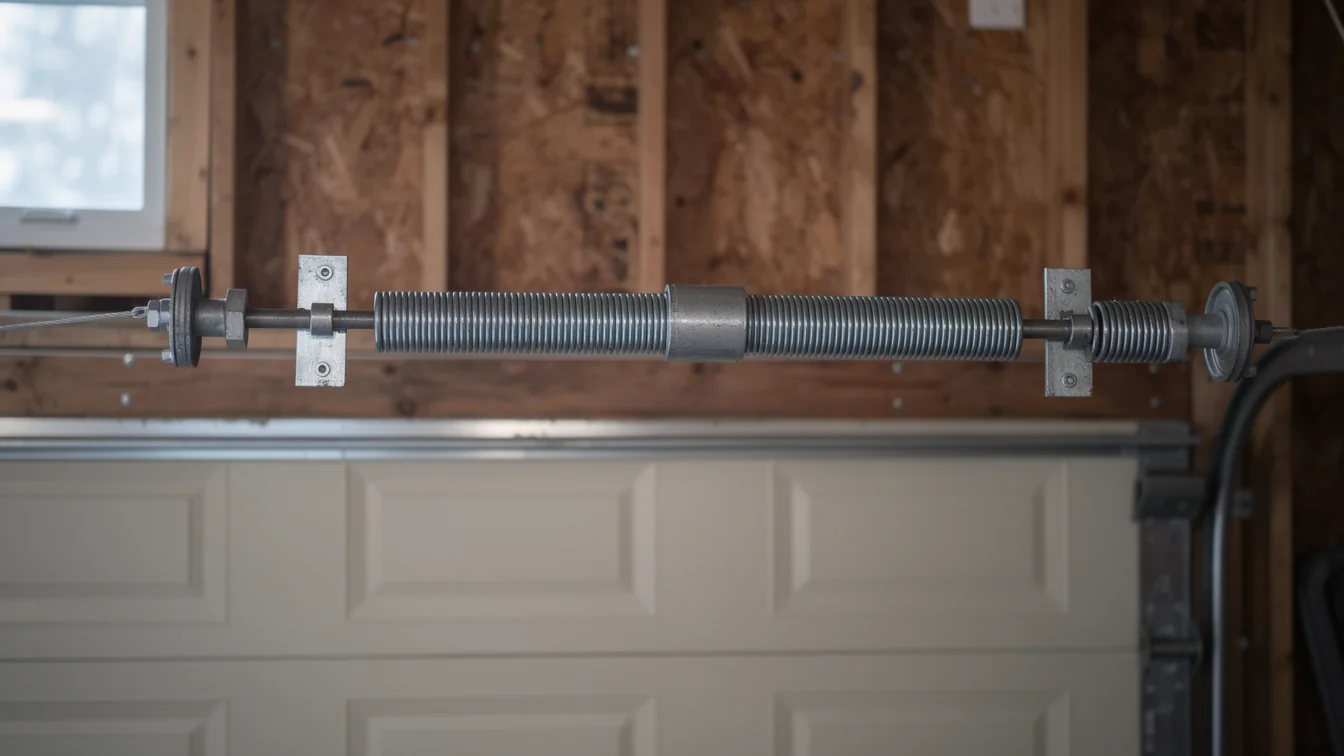 What Sumter Homeowners Should Know Before They Call
Sumter homes built mostly between 1974 and 1999 bring specific door and spring problems.
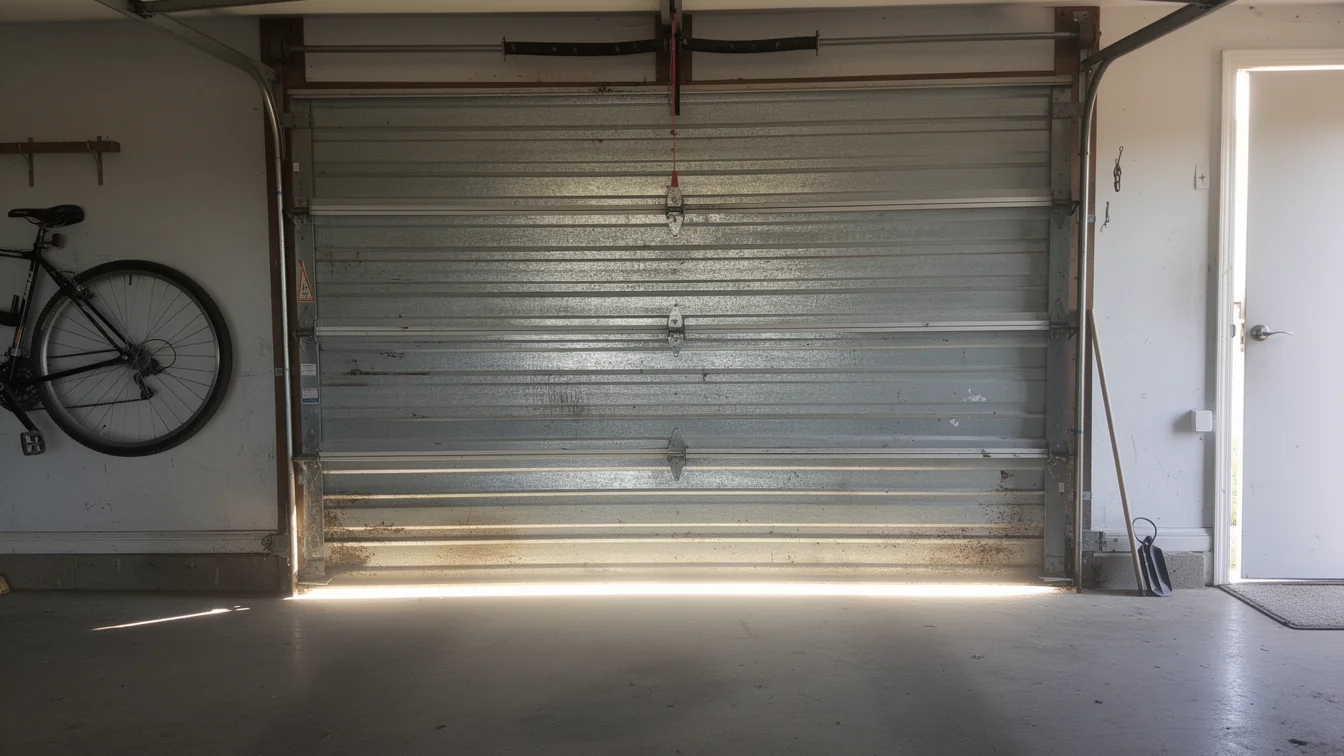 What Garage Door Work Actually Runs in Sumter
Sumter homes mostly went up between 1974 and 1999.
 What the Noises in Your Sumter Garage Door Are Telling You
Sumter homes built mostly 1974-1999 have openers and springs reaching end of life together.
Ready when you are
Need a garage door sorted in Sumter?
Sumter Garage Door Pros repairs and installs garage doors, springs and openers in Sumter, SC and the surrounding area.