
Privateer, Sumter
Garage Door Panel Replacement for Privateer Homes
Panel replacement for Privateer's 1980s-era garage doors, serviced from Sumter 9 miles out. We match panels to the hardware this housing stock actually used.
How Long It Takes
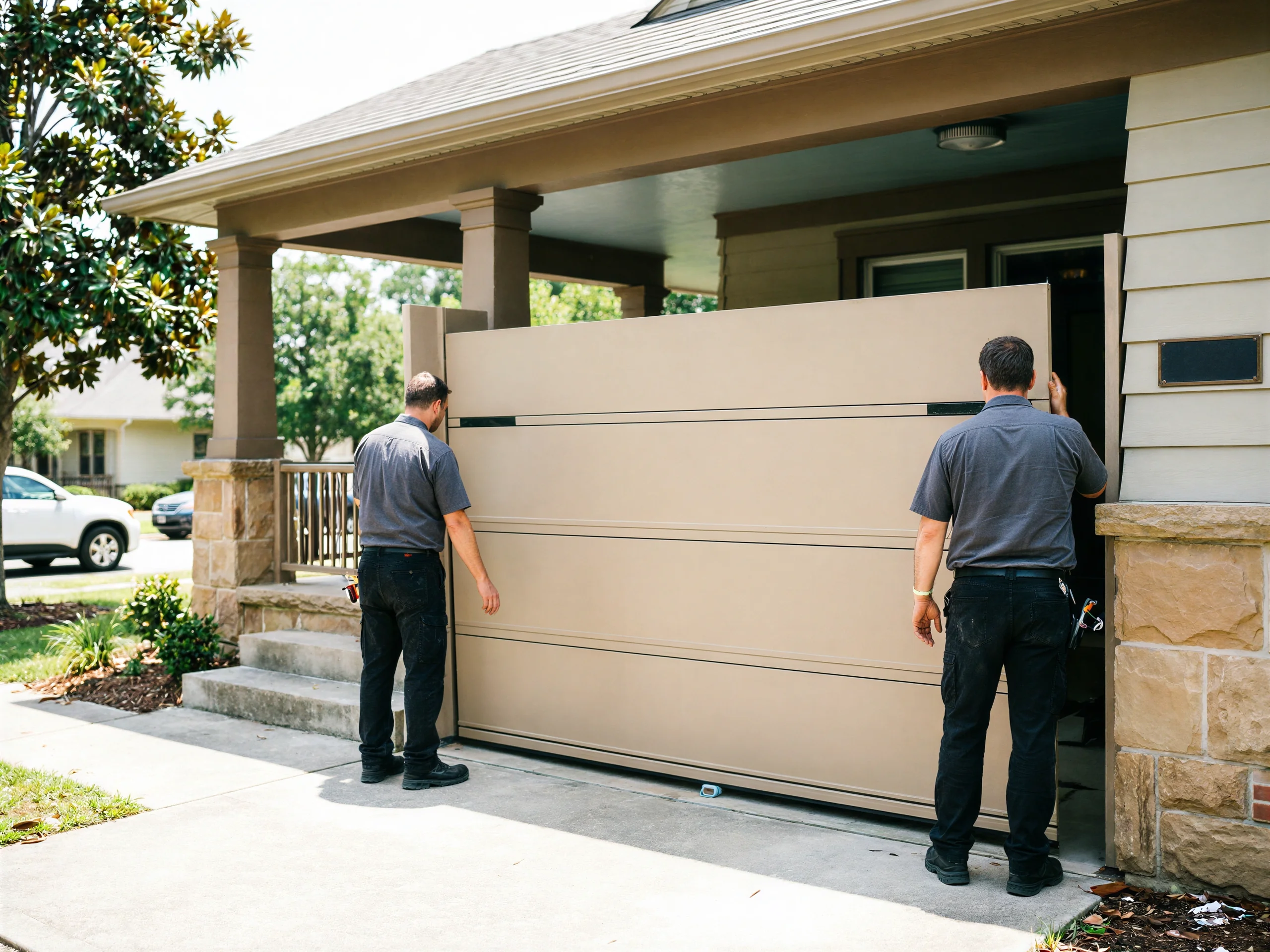
Privateer sits nine miles out from our shop in Sumter, which changes how a panel job runs compared to something closer in. We don't carry a full stock of every panel profile on the truck, so the first trip out is almost always to measure and photograph the section that's damaged - width, height, the hinge spacing, whether it's insulated or hollow.
Overlap measurement before ordering
That measurement has to be right before we order, because a panel that's off by even an inch of overlap won't seat against the ones next to it.
Single-visit panel swap
Once we've got the correct part on hand, the swap itself is usually a single visit: the old panel comes off its hinges, the new one goes in, and we check the track alignment on both sides before we close it out.
Two-trip panel process
The gap between that first measuring trip and the install trip is the part homeowners here notice most, since it's a longer loop than a same-day fix would be. We'd rather make that second trip with the right panel than show up twice with the wrong one.
Parts We Carry
Most of the houses we see calls from in Privateer went up in the mid-to-late 1980s, with the area's median build year landing around 1987.
Thin foam core panels
That means steel sectional doors with the hardware common to that build period - raised-panel or flush steel sections, often with a thin foam core rather than the thicker polyurethane fill you'd find in anything built in the last ten years.
Standard section heights stocked
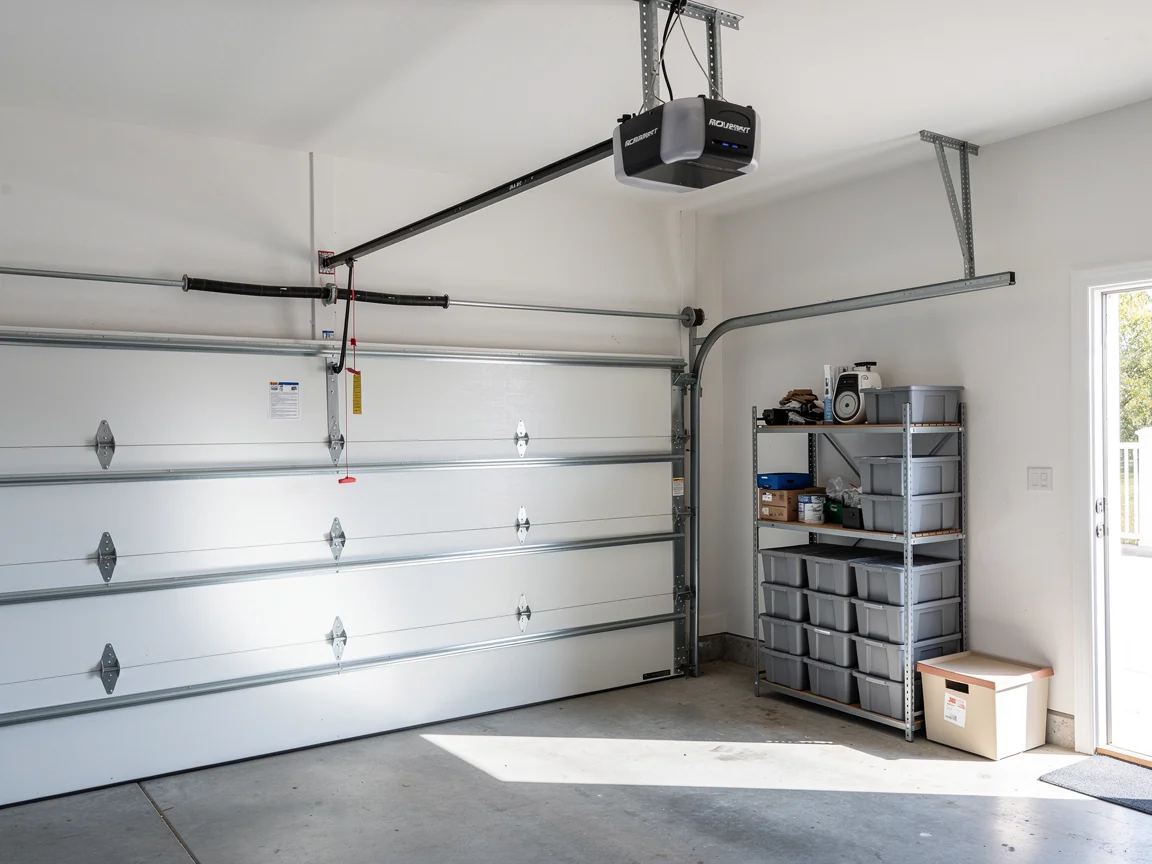
We stock standard steel panel sections that fit that era's section heights, plus the hinges and rollers that match side-mounted torsion and extension setups common to houses this age.
Discontinued color runs
What we don't keep on the truck is a match for every discontinued embossing pattern or color run from the 1980s - if your door's panel style was discontinued by the manufacturer, we'll tell you that up front rather than promise a seamless match we can't deliver.
What It Costs
We don't publish flat panel pricing because it swings too much on what we find once we're out there - section count, insulation type, whether the track needs adjustment to accept a new panel cleanly, and whether the hardware around it is original or already replaced. What we can tell you is that a single damaged panel on an otherwise sound door is almost always cheaper to replace than to work around, and with roughly 682 households in Privateer, most of the calls we get are single-panel jobs rather than full-door replacements. We'll give you a number after we've seen the door and measured it, not before.
Where This Job Goes Sideways
The most common snag on a Privateer panel job is color and texture match. A door installed in 1987 has had thirty-plus years of sun exposure on the panels that are still original, and a brand-new section - even the same nominal color - will look noticeably different next to faded neighbors until the whole door gets painted or weathers in.
Embossing patterns no longer made
The second snag is discontinued profiles: some embossing patterns from that era simply aren't made anymore, which means we're matching as close as we can rather than matching exactly. Third, and less obvious, is what's behind the panel.
Degraded insulation foam
Older insulated panels sometimes used foam that's degraded to the point of crumbling when the section is removed, and that can mean the replacement section doesn't insulate the same way the original did unless you go with a different fill option. We flag all three before we order anything, not after.
The DIY Question
A single bolt-on panel section looks like a project you could handle yourself, and on some doors it is. Where it gets risky is the torsion spring sitting above the door, under load, which has nothing to do with the panel but everything to do with whether you can safely get the door apart to swap one out. If your door is on extension springs mounted along the horizontal track - common on houses from the 1980s build era this area has a lot of - the panel swap itself is more forgiving than the overhead torsion setup. Where we'd tell you to stop and call: anything that requires disconnecting a wound torsion spring, any section with electrical conduit run through it for an opener, or any case where you're not sure the replacement panel is actually the right gauge steel for the rest of the door. Getting that wrong doesn't just cost you the panel - it can throw off the whole door's balance.
What Causes It Around Here
Privateer sits in a mild climate band with occasional freeze, which isn't hard on steel panels the way a true freeze-thaw region is, but thirty-plus years is still thirty-plus years. The panel damage we see out here tends to come from two things: impact (a trailer hitch, a mower, a basketball backboard clipping the bottom section) and age-related failure in doors built when this area's housing stock went up, roughly 1987 on the median. Foam-core panels from that period are reaching the point where the bond between the steel skin and the foam core lets go, which shows up as a section that flexes or booms when the door runs rather than moving as one solid piece. Bottom panels also take the most moisture exposure over decades and are usually the first to show rust-through at the edge, even in a climate this mild.
Questions
Common questions
Do you keep garage door panels in stock for same-day replacement in Privateer?
Not for every profile. Privateer's doors mostly date to the 1980s building boom here, and some of those panel patterns are no longer made. We typically need one trip to measure and match the panel, then order it, before a second trip to install - we won't guess at a part number over the phone.
Why does my panel look different from the rest of my door after replacement?
A door installed around 1987 has had decades of sun fade on the original panels. A new steel section, even the correct color code, will look brighter until it weathers in or the whole door gets repainted. We tell customers this before ordering, not after.
Is it worth replacing just one panel or should I replace the whole door?
Depends on the door's age and how many sections show damage versus general wear. On a door from this area's typical 1980s build era, a single damaged panel with sound hardware elsewhere is usually a straightforward swap. We'll tell you honestly if the door's past the point where one panel is worth fixing.
How far out is Privateer from your shop, and does that affect scheduling?
Privateer is about nine miles from our location in Sumter. We don't keep a branch or stock point out there, so panel jobs usually involve a measuring visit before the install, since we need the exact section size before we can order the right part.
Explore more
More Services in Privateer
Garage Door Repair
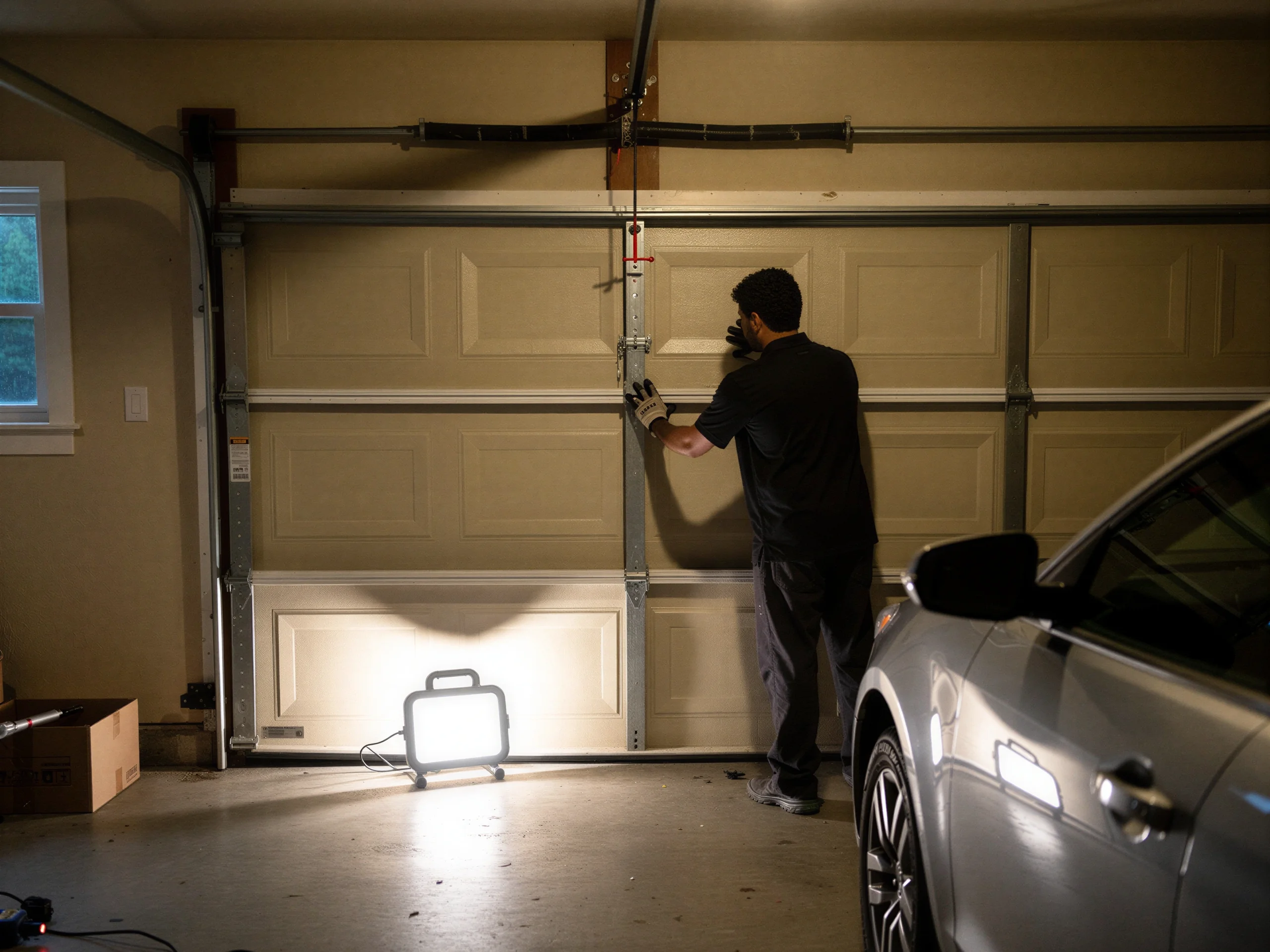
Privateer homes built around 1987 need torsion-spring and opener work, not swing-up door parts. Learn more →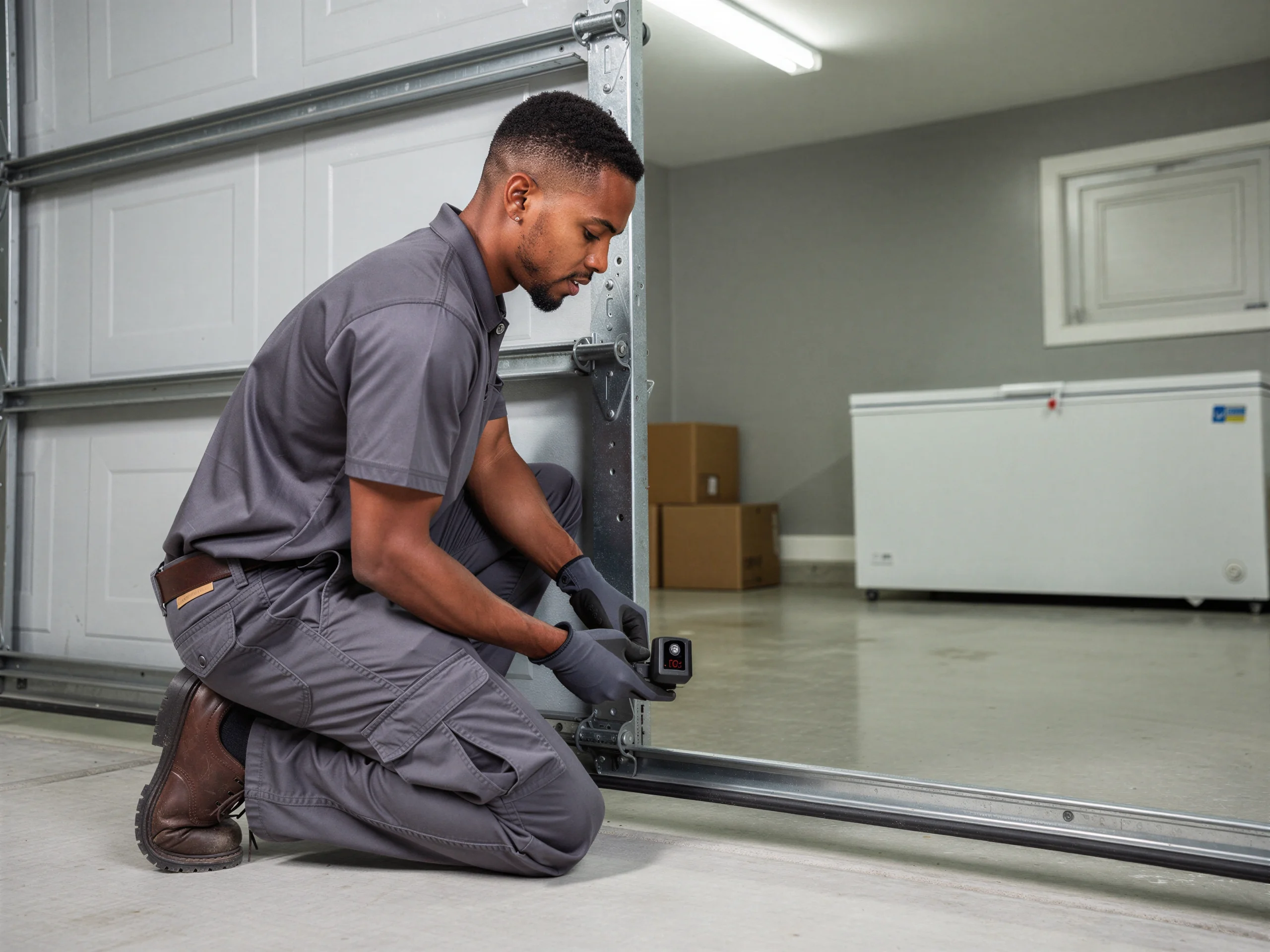
Garage Door Service
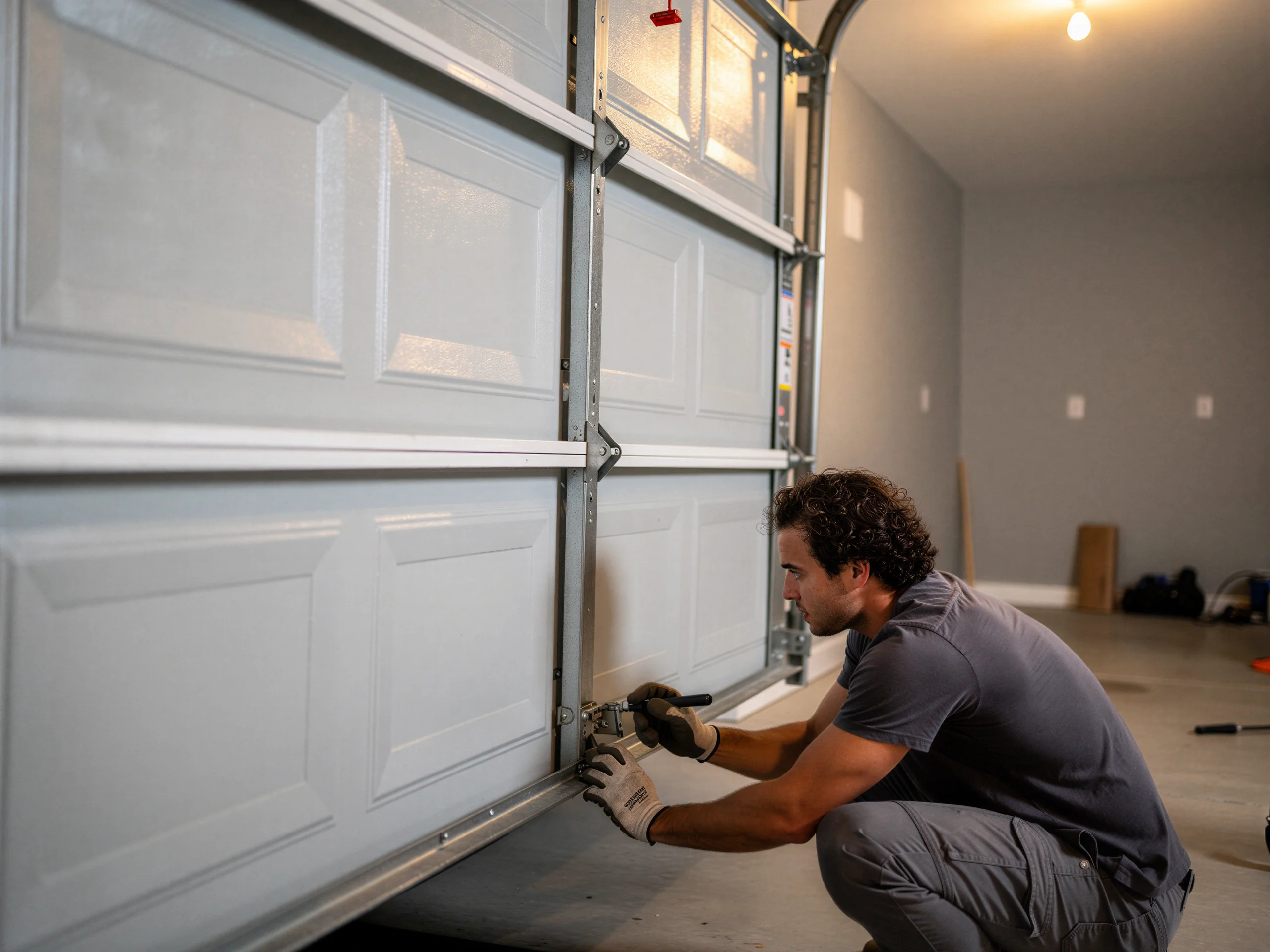
Privateer homes mostly date to 1987, a few years past Sumter's own median. Learn more →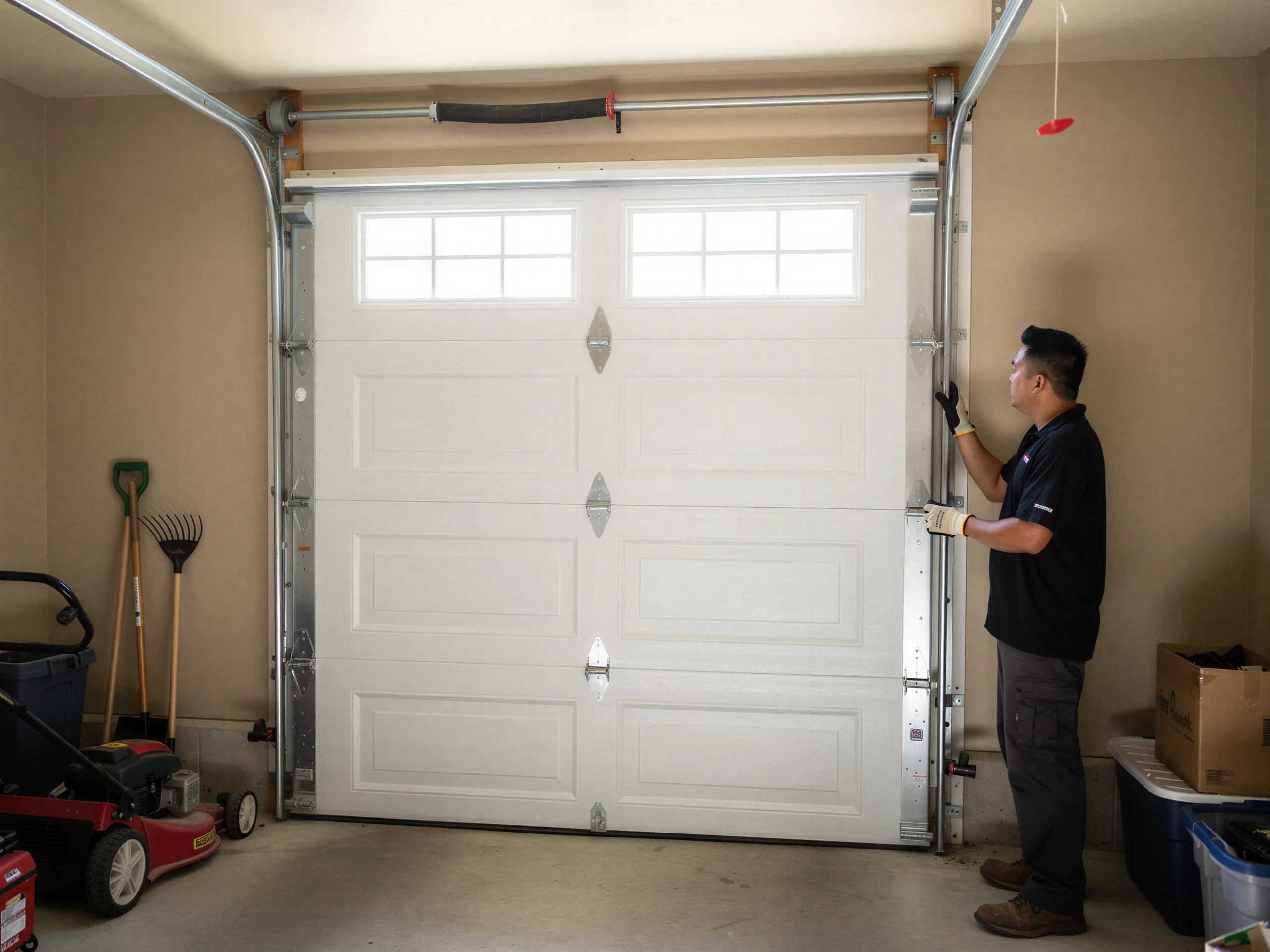
New Door Installation
Privateer homes mostly date to the late 1980s, which means specific door sizes and worn-out openers. Learn more →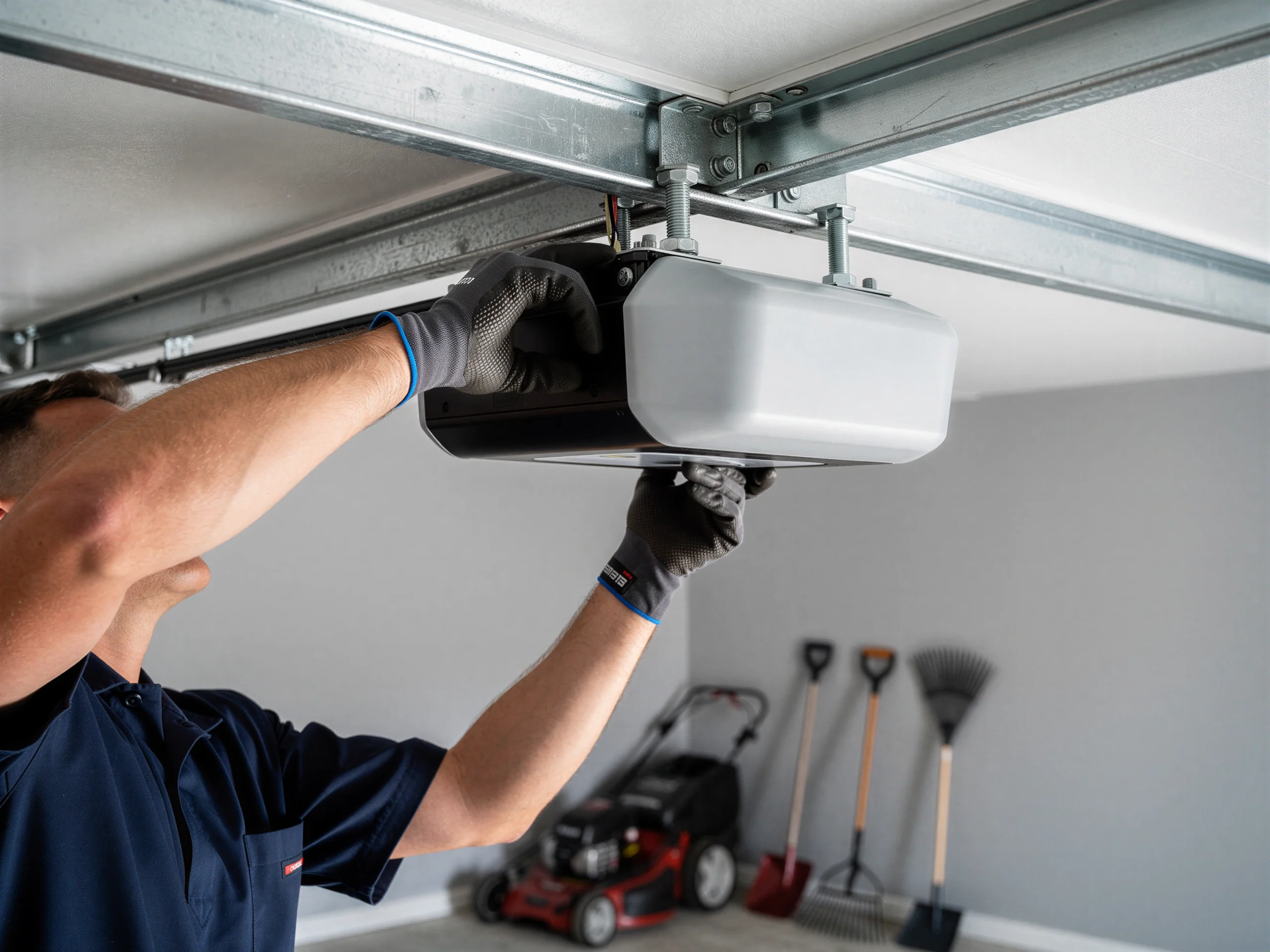
Opener Installation
Most Privateer homes date to the mid-1980s, with openers original to the house. Learn more →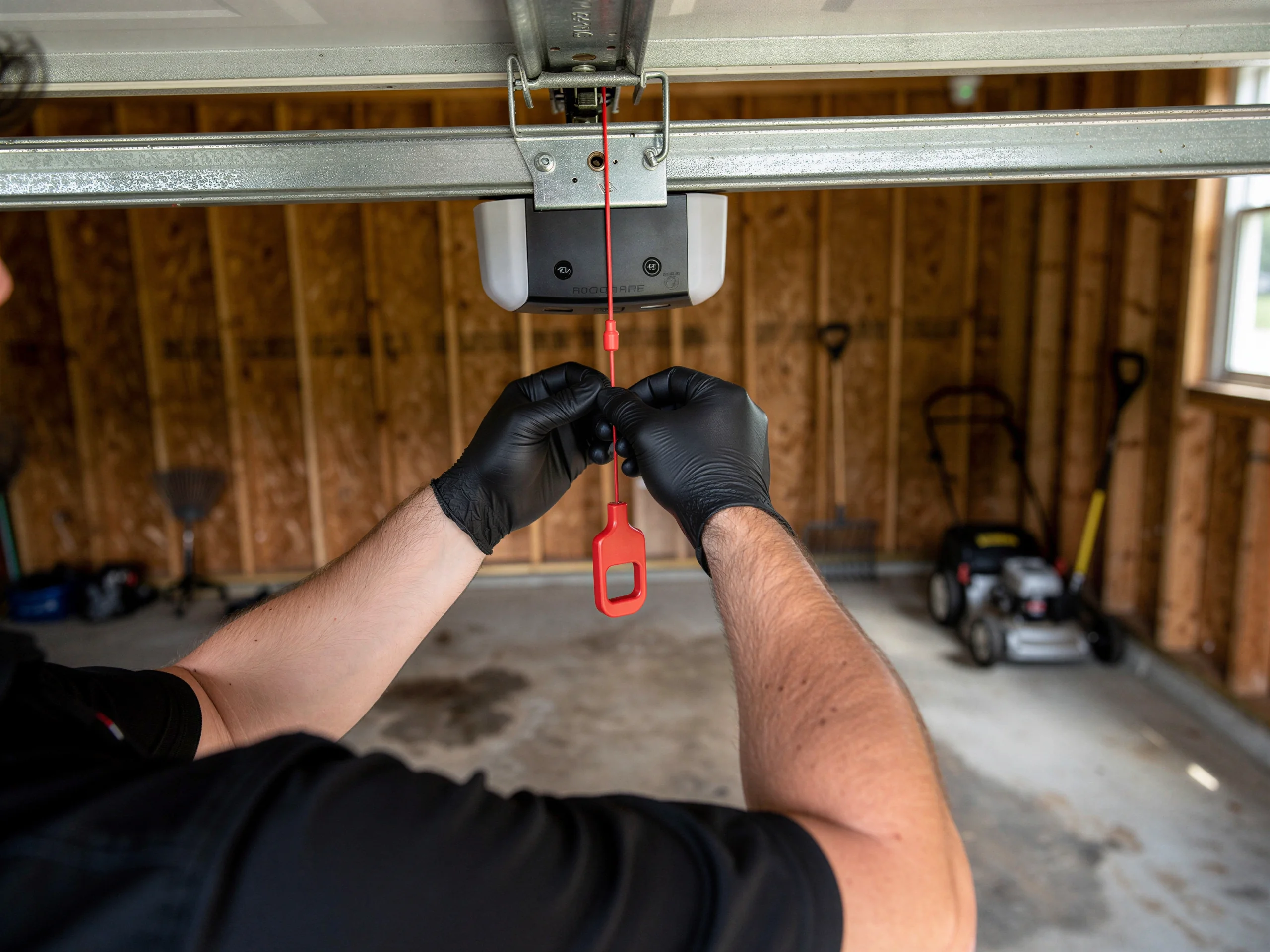
Opener Repair
Privateer homes went up around 1987, so openers here are chain-drive units with aging logic boards. Learn more →
Roller Replacement
Privateer has about 682 households and most garage doors date to the late 1980s. Learn more →Ready when you are
Need a garage door sorted in Sumter?
Sumter Garage Door Pros repairs and installs garage doors, springs and openers in Sumter, SC and the surrounding area.