
Stateburg, Sumter
Panel Replacement for Stateburg's 1990s Garage Doors
Panel replacement for Stateburg, SC homes built mostly in 1990, newer than much of Sumter's older housing stock, with different seams and hinge types.
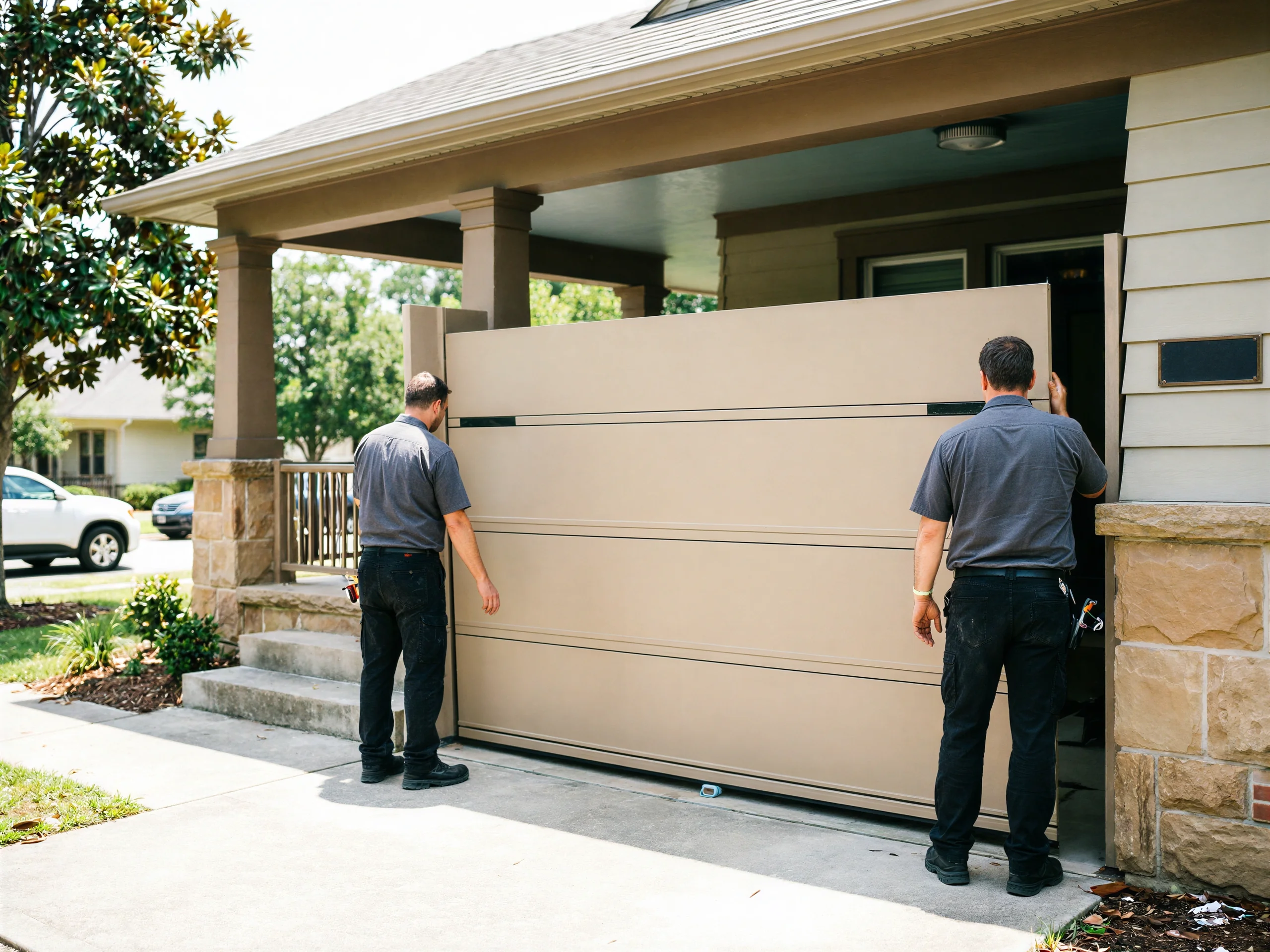
Where This Job Goes Sideways
Most of the houses around Stateburg went up close to 1990. That's newer than a lot of what we see across the rest of the Sumter service area, where the housing stock spans 1974 to 1999 with a median closer to 1984.
Insulated steel skin panels
The gap matters for panel work. Doors from the early 90s usually have factory-insulated steel skins with polystyrene fill sandwiched between two thinner steel sheets - different from the heavier, uninsulated single-sheet panels common on older stock elsewhere in the area.
Seam rust panel substitutions
When a panel on one of these doors gets dented or starts rusting at the seam, you can't always bolt on whatever panel is sitting on a truck. The hinge spacing, the seam profile, and the foam core thickness were built to a spec that shifted through the 80s and 90s.
Racking from wrong panels
Pull the wrong panel off a supplier shelf and it won't seat flush against the one next to it, and the door will rack on the track instead of rolling straight. That's the mismatch that turns a one-panel job into a two-hour fight. We check the stamp on the hinge and the panel's inside lip before we order anything, not after.
What Causes It Around Here
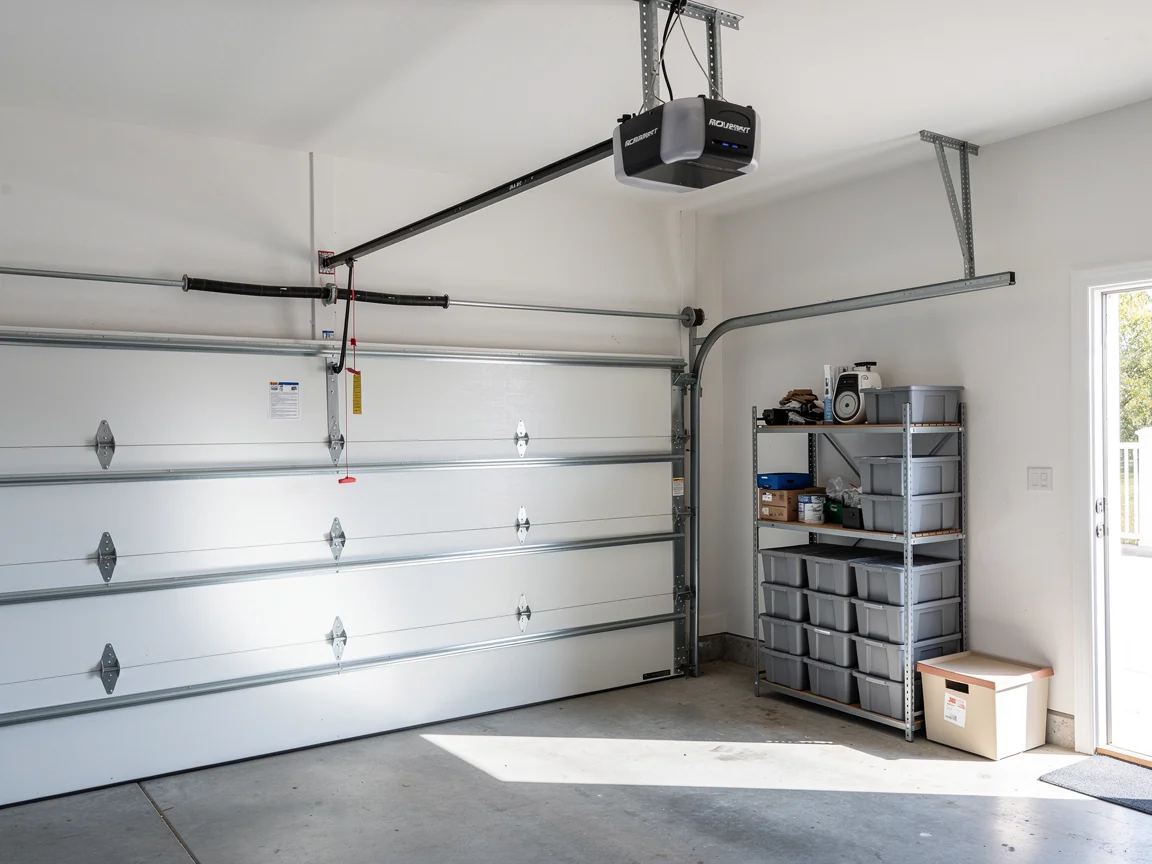
The climate here runs mild with occasional freeze nights, not the brutal freeze-thaw cycle that chews up seals and hinges in harsher regions. That keeps a lot of the wear slower and more predictable: panels fail from dents (a mower, a trailer hitch, a kid's bike) and from rust creeping in at the bottom seam where water sits after rain. On a 1990-built door, that bottom panel has had three decades to take hits, and the foam core behind a dent starts to separate from the steel skin even when the outside looks fine. You'll feel it as a soft spot or hear a rattle that wasn't there last year. We don't see much cracking from extreme cold snaps out this way, so when a panel fails here it's almost always mechanical damage or slow rust, not a weather event. If your door is sticking or binding rather than just showing a dent, that's a different problem - worth a look at our repair page rather than jumping straight to panel replacement.
What It Costs
We don't have a flat number to hand you here, and we're not going to make one up.
Factory finish insulated steel
What we can tell you: household income in the Stateburg area runs well above the broader Sumter service area's median, and that shows up in what people choose - more owners ask for insulated steel with a factory finish that matches the house trim rather than the plain builder-grade panel. That choice changes the invoice more than the labor does.
Discontinued color and grain
The honest limitation is color and texture matching. If your door is more than a few years old, the exact panel color or wood-grain texture your builder used may no longer be in production, and we may have to repaint or re-skin to get a clean match rather than swap a stock panel and call it done.
Confirming before ordering
We'll tell you that before we order, not after we've charged for the part. For a sense of how panel jobs are typically scoped and priced across the wider service area, the Sumter panel replacement page has more detail.
The Symptom
The usual call starts the same way: one panel, usually the bottom one, is dented, bowed, or rusted through at the seam, while the rest of the door looks fine. The door still goes up and down, but it doesn't seal flush at the bottom anymore, so you'll feel a draft or see daylight at one corner. Sometimes the opener starts straining or reversing partway up because the bent panel is binding slightly against the track - that's worth paying attention to, since a door fighting its own panel will eventually stress the rollers and hinges nearby. If you're only hearing noise with no visible damage to a panel, that's more likely a roller or hinge issue than a panel problem, and it's a different repair.
The DIY Question
Swapping a single panel sounds simple until the door is apart on sawhorses and you realize the hinges don't line up with the replacement panel you bought.
No walk-in sample check
We travel out from Sumter to reach Stateburg, about 8 miles, so there's no walk-in counter to bring a sample panel to for a quick check - matching it right the first time matters more here than it might somewhere closer to the shop.
Never disconnect torsion springs
If your door uses a torsion spring system, which most double doors from this era do, don't disconnect the spring to pull a panel yourself; that's genuinely dangerous and not a place to learn by doing.
Photo of hinge stamp
Where DIY does make sense: popping off the bottom weatherstrip to check for rust before you call anyone, or taking a photo of the hinge stamp and panel profile so we can source the right part before the truck even leaves Sumter.
Questions
Common questions
Will a replacement panel match the rest of my door if it's from around 1990?
Sometimes, but not always. Panel profiles and insulation specs shifted through the late 80s and 90s, so we match by hinge spacing and seam profile first, color second. If the original finish is discontinued, we'll tell you before ordering so you can decide between a close match or a repaint.
Do you keep panel stock on hand for Stateburg jobs?
We travel out from Sumter for every Stateburg call, so panels get ordered to match your door's specific hinge and seam profile rather than pulled off a generic shelf. That means a short wait on parts is normal, especially for an older or less common panel style.
Is a dented panel always a replace job, or can it be repaired?
Minor dents in a non-insulated panel sometimes pull back close to flat, but insulated steel panels from this era rarely repair cleanly - the foam core separates from the skin once it's been struck hard enough to show a visible dent. At that point replacement holds up better than a patch.
Why does my opener strain only on one side near the bottom?
That's usually a bent or bowed panel binding slightly against the track as the door closes, not an opener problem. The motor is compensating for resistance it shouldn't have to fight. Worth having the panel checked before the strain works its way into the rollers or hinges.
Explore more
More Services in Stateburg
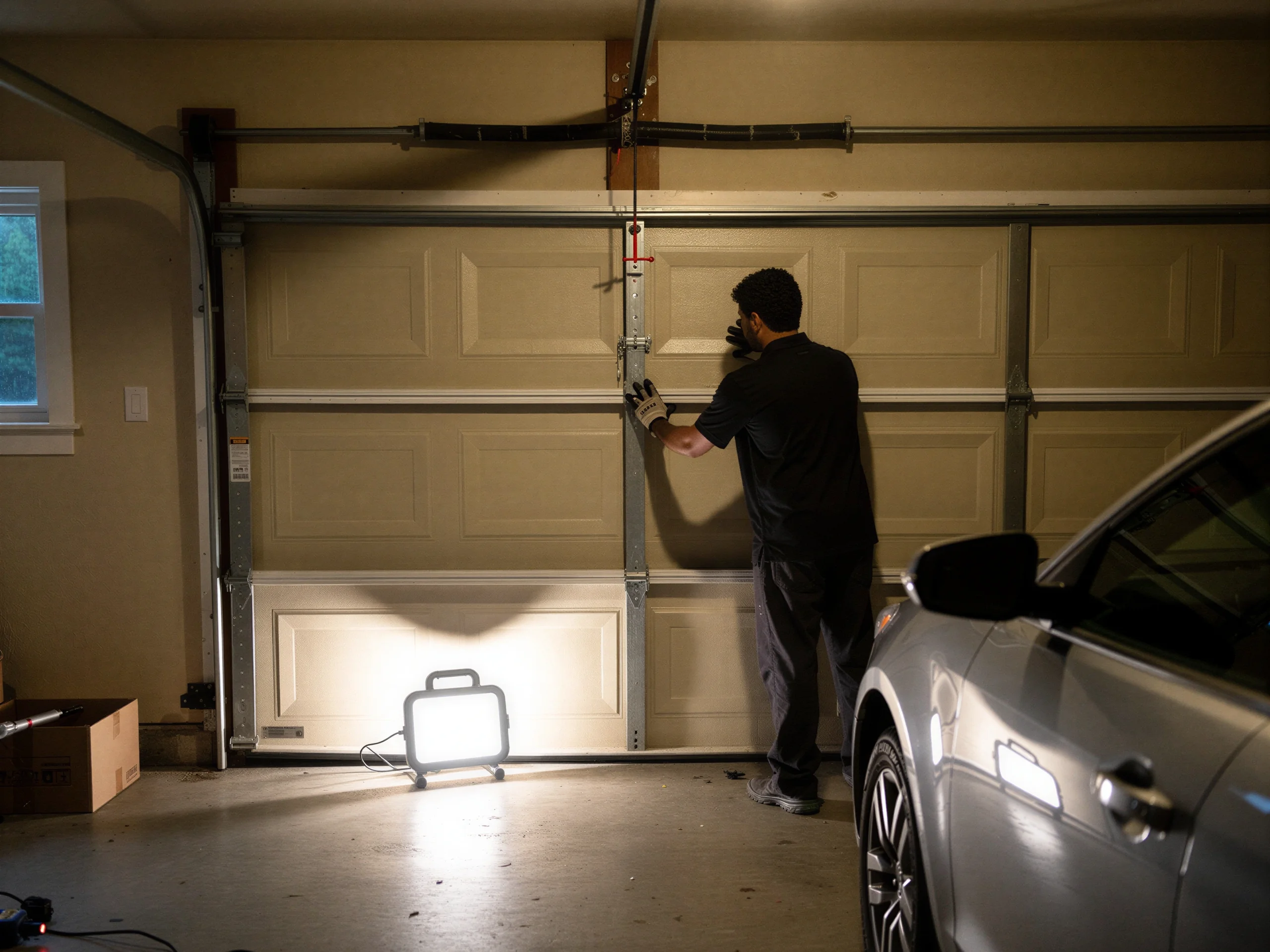
Emergency Garage Door
Stateburg sits about 8 miles from our Sumter shop, with mostly 1990-era doors and openers. Learn more →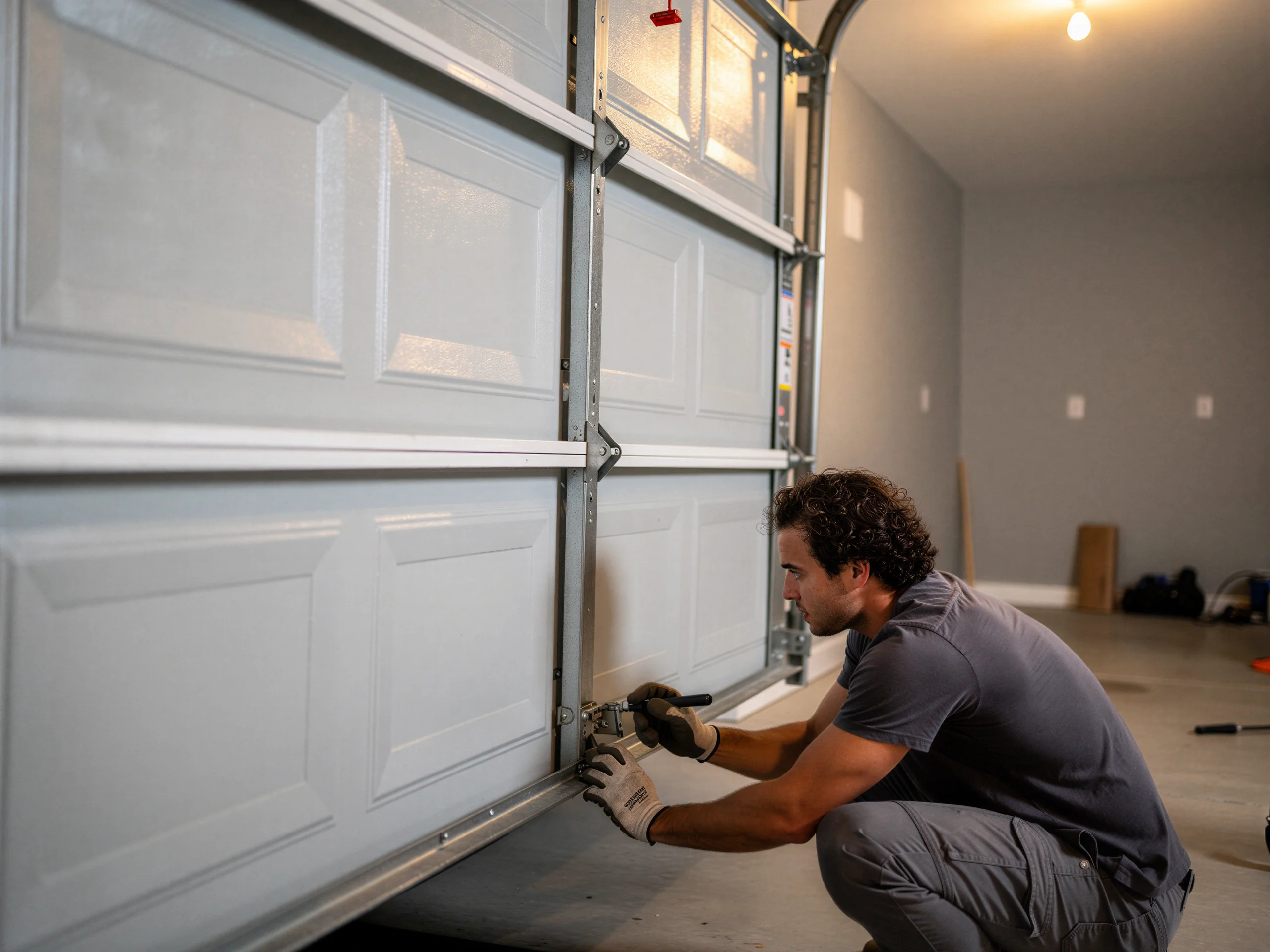
Garage Door Repair
Stateburg homes mostly date to 1990, a few years ahead of the Sumter area norm. Learn more →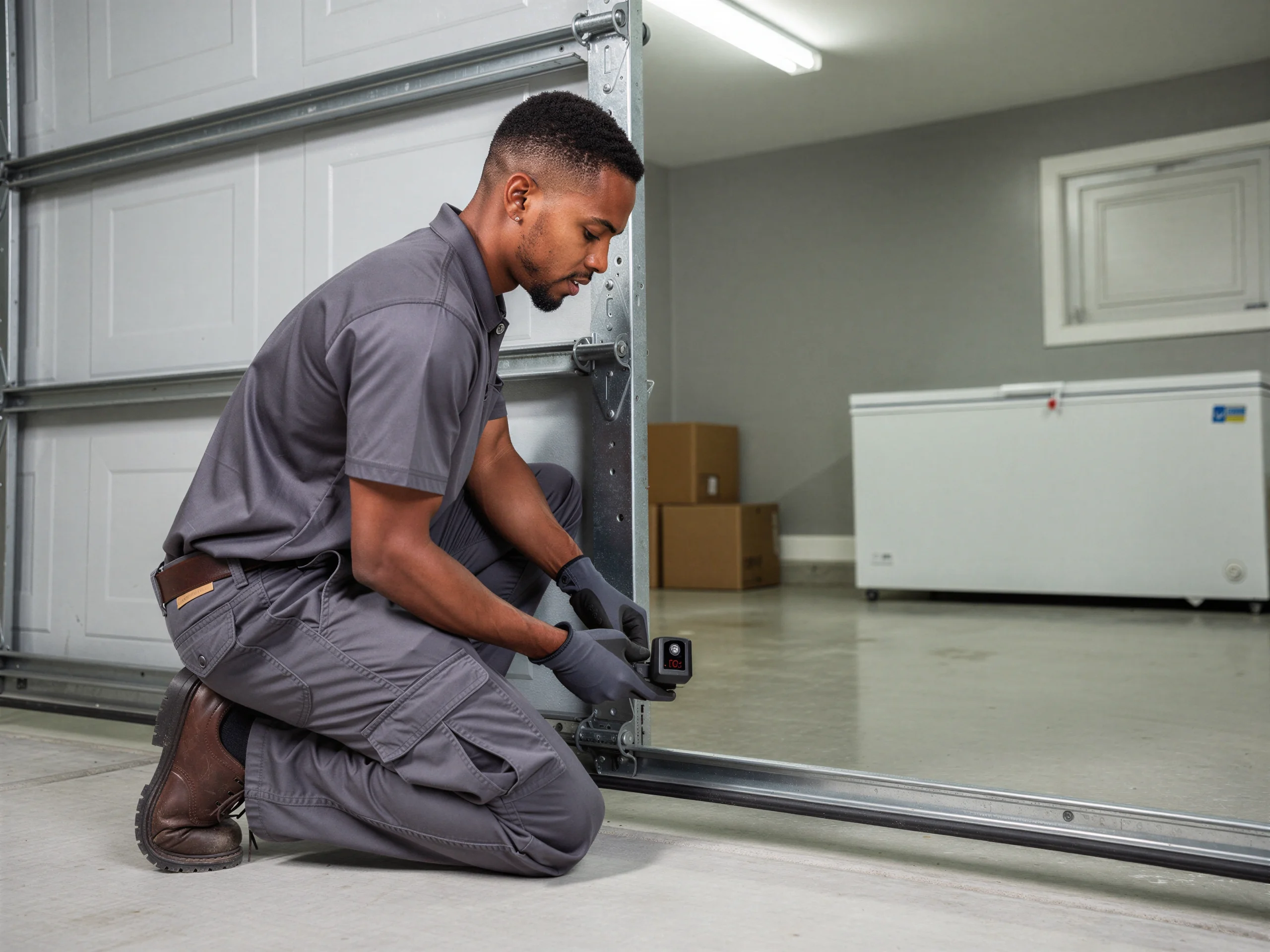
Garage Door Service
Stateburg homes mostly went up around 1990 with steel sectional doors on torsion springs. Learn more →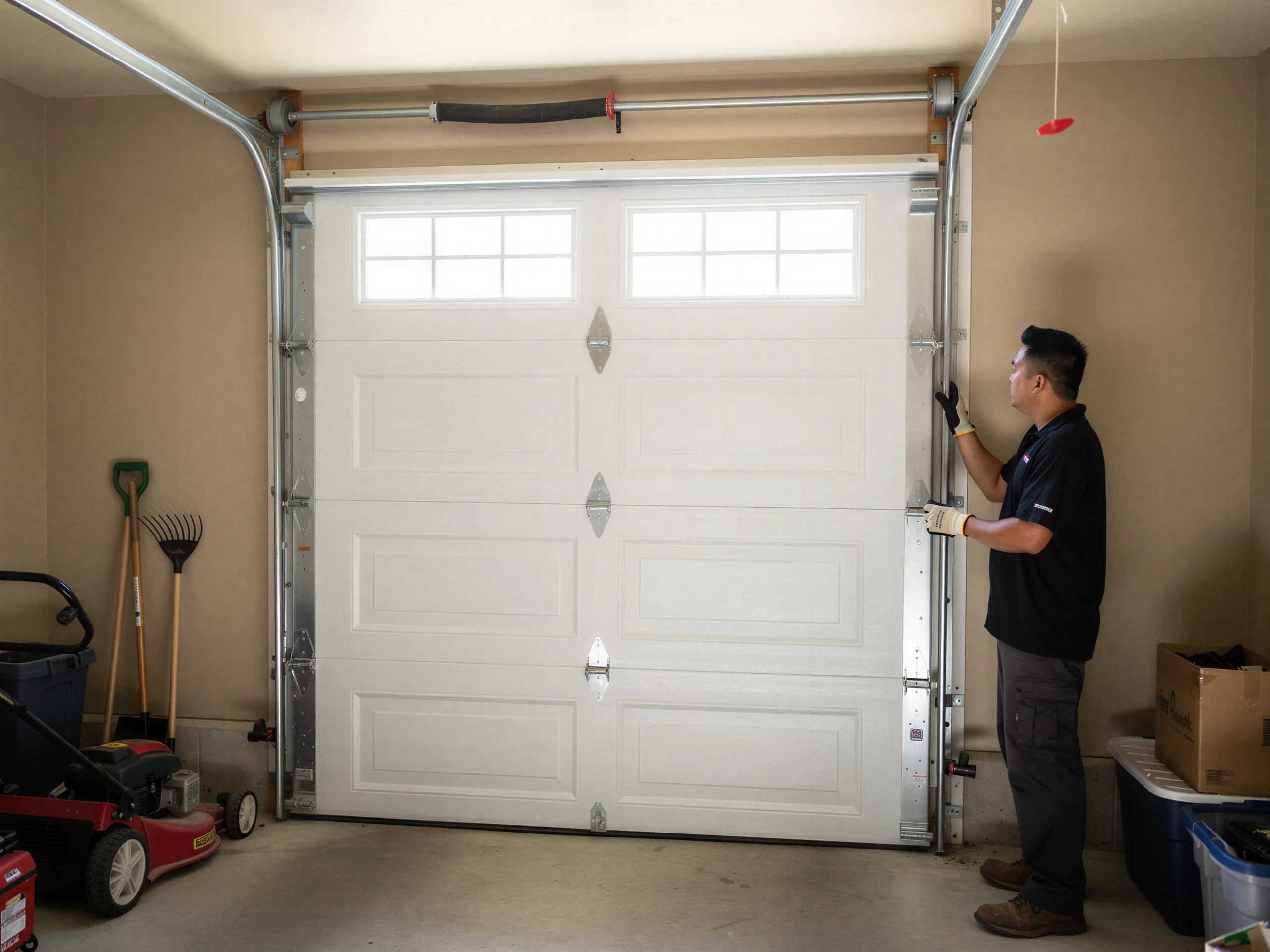
New Door Installation
Stateburg homes mostly date to 1990, newer than much of the Sumter area. Learn more →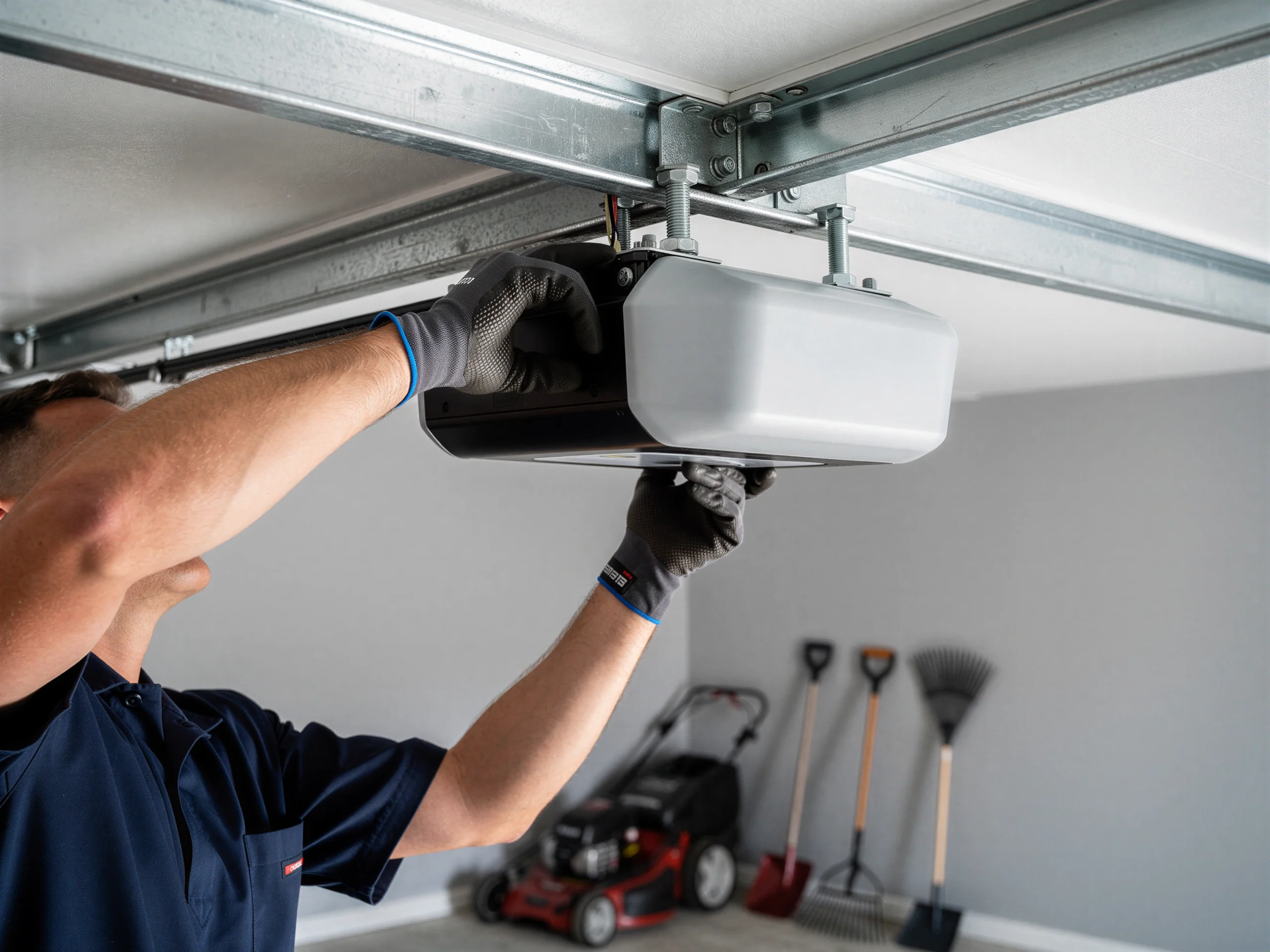
Opener Installation
Stateburg's 681 households sit on 1990-era construction, 8 miles from Sumter. Learn more →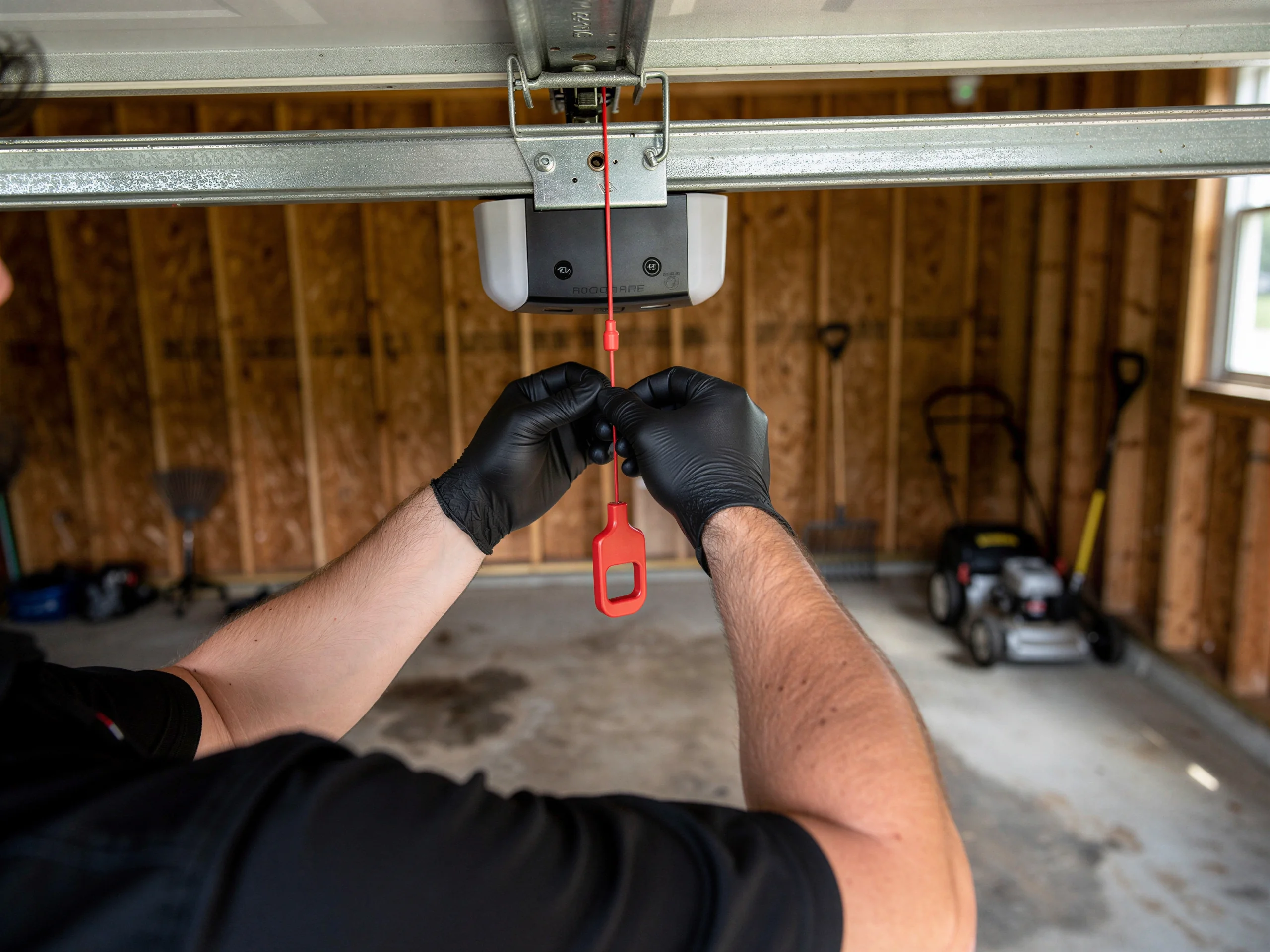
Opener Repair
Opener repair for Stateburg homes built around 1990 - chain-drive units, logic board failures, and when replacement beats another patch job. Learn more →
Roller Replacement
Stateburg's garage doors mostly date to around 1990 - old steel rollers wear fast on galvanized track. Learn more →Ready when you are
Need a garage door sorted in Sumter?
Sumter Garage Door Pros repairs and installs garage doors, springs and openers in Sumter, SC and the surrounding area.